
Miscellaneous Expense Examples for Small Business Owners

Miscellaneous expenses are an array of small transactions that do not fit within the ledgers’ specified accounts. If you’re a sole proprietor, miscellaneous expenses are listed on line 27a of Schedule C. These expenses are categorized in Part V of Schedule C, then totaled and entered on line 27a. On Form 1120 for corporations, line 26 is for “other deductions,” and you must attach a statement detailing those deductions. If you’re a sole proprietor, miscellaneous expenses are listed on line 27a of Schedule C. These expenses are categorized in Part V of Schedule C, then totaled and entered on line 27a. On Form 1120 for corporations, line 26 is for “other deductions,” and you must attach a statement detailing those deductions. The list of the most common Budgeting for Nonprofits nondeductible business expenses is short, but it includes items like political or lobbying expenses, fines, and penalties.
Why miscellaneous spending matters
If you’re unsure if you can claim an expense, it’s important to check with a tax professional, as regulations may be different depending on where you do business. In financial reporting, you record miscellaneous expenses on your chart of accounts (COA) on the income statement. They’re not a standalone line on the balance sheet balance sheet since they don’t represent an ongoing value or obligation for the company. This includes ensuring that money is not spent frivolously, and it also helps to keep expenses low.

Grow Your Business with QuickBooks
A small parking fee for a client meeting, for example, qualifies because it’s part of normal business operations. Properly recording miscellaneous expenses ensures your books stay accurate and transparent. Here’s how to handle them in your accounting system and why this small category deserves careful attention. Every business, from startups and freelancers to large corporations, encounters charges that don’t neatly fit a standard bucket. Without the “miscellaneous” option, you might lose track of the expense entirely.
- Miscellaneous expenses cover business-related costs that don’t fall under major categories like rent, payroll, or inventory.
- If your items under miscellaneous expenses increase in size and usage, then the miscellaneous expense should be given its own account.
- Miscellaneous expenses encompass the various minor, irregular, or unexpected costs that don’t fit neatly into standard expense categories like rent, utilities, or payroll.
- A complete guide to tracking wire transfers, covering timelines, methods, delays, fees, and best practices.
- When someone makes a purchase using their Pemo card, they’re prompted to upload a receipt, add a note, and tag the expense; so your ledger stays clean and your reports stay accurate.
Control Your Business Spending With AI-Ready Moon Invoice

Such practices help you uncover the time when you spend the most, and accordingly, you can make informed decisions. The reason is miscellaneous expenses can reduce your taxable income if they are deductible and necessary to operate your business. As a result, you can save enough money on taxes by a hundred dollars or maybe thousands. If you qualify under one of the IRS-approved categories, claiming your tax-deductible miscellaneous expenses requires attention to detail and proper documentation. Most miscellaneous expenses are variable costs that fluctuate with business activity. However, some might be fixed, such as an annual subscription that doesn’t fit into standard categories.
How to Manage Miscellaneous Costs Effectively
For a small business, a $50 purchase might be classified as miscellaneous, while larger enterprises might set thresholds of $200 or more before creating dedicated expense categories. Keep in mind that, as a small business owner, you may have some restrictions, such as those on the amount of interest that’s deductible for purchases of vehicles and vacant land. Yes, FreshBooks can automatically import your expenses if you connect your credit card or bank account to the software. It’ll note new expenses, import them into your account, and help you streamline your bookkeeping by categorizing the expenses for you.
Scenario 1: Startup Managing Growth Expenses
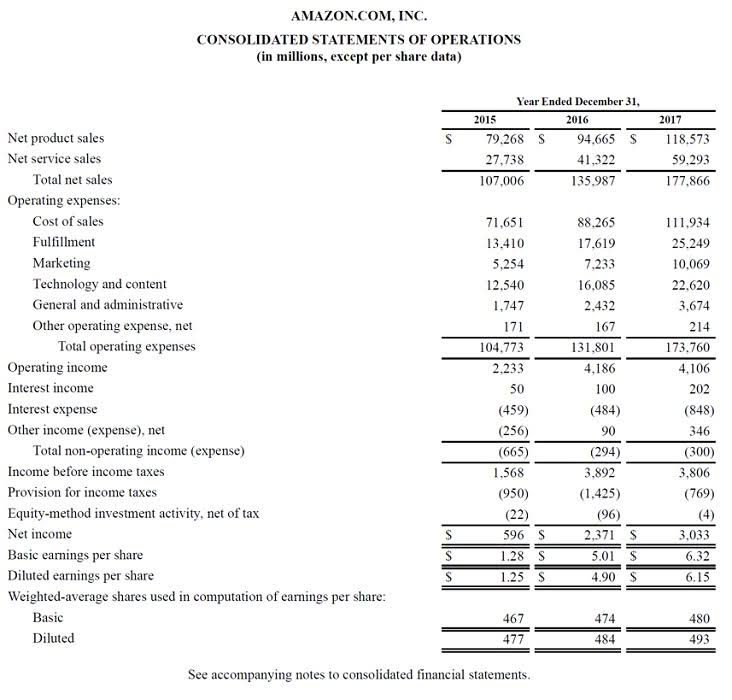
Learn how to identify miscellaneous expenses and which practices will help you track and control them so they don’t get out of hand and drain your bottom line. Properly tracking and categorising these expenses helps businesses manage their finances precisely, ensuring these seemingly small expenses don’t add up to big surprises. Another thing is, don’t forget to consider miscellaneous costs when developing miscellaneous expenses meaning a new budget plan. Despite having nothing to do with your categorized expenses, leaving them out of the budget can still disrupt your financial flow. As a result, you can develop a solid budget plan and be prepared for surprises that often come out of nowhere. Create a digital expense report in a jiffy to get real-time updates on spending.